How a Woman’s Body Changes During Pregnancy and Postpartum - and Why Rehabilitation Matters
Pregnancy and childbirth bring profound changes to a woman’s body. While much attention is placed on the baby, the physical demands placed on the mother are often underestimated - particularly when it comes to recovery and returning to exercise. Understanding what changes occur during pregnancy and postpartum and how to rehabilitate appropriately, is key to building long-term strength, confidence and resilience in the body.
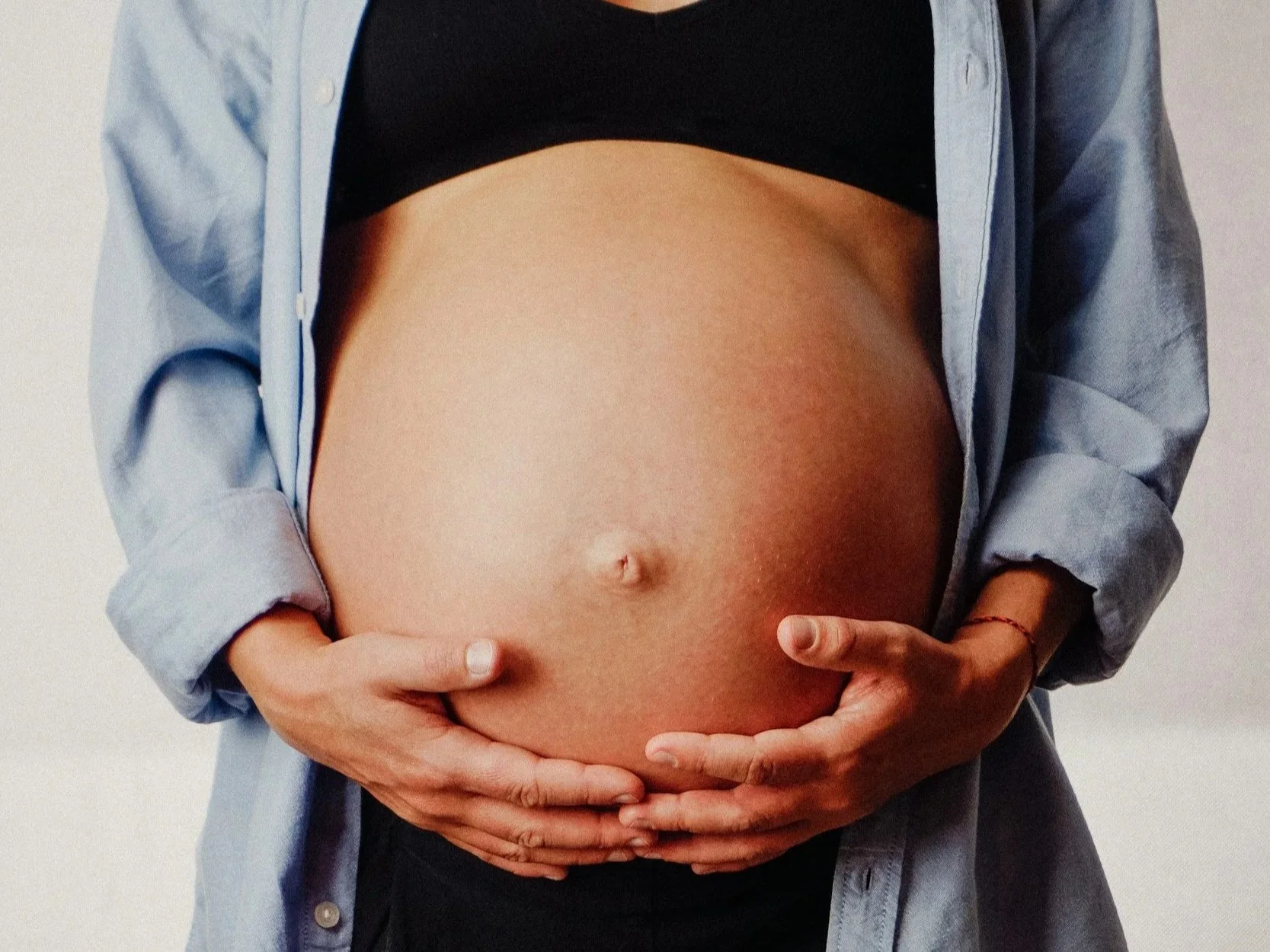
Structural and Hormonal Changes During Pregnancy
During pregnancy, a woman’s body adapts rapidly to support a growing baby:
Abdominal wall lengthening and load changes
The abdominal muscles lengthen to accommodate the uterus, which can alter how the core canister generates and transfers force.Pelvic floor loading
The pelvic floor supports increasing weight throughout pregnancy and is further challenged during vaginal birth, instrumental delivery or caesarean recovery.Hormonal influences
Hormones such as relaxin increase joint and connective tissue laxity, which can affect stability and movement control.Postural adaptations
Changes in centre of mass often lead to increased lumbar lordosis, rib flare and altered breathing mechanics.
These changes are normal and expected, but they do mean that the postpartum body is not the same body it was before.
Postpartum Is a Rehabilitation Phase - Not a Return to “Normal”
After birth, tissues require time and progressive loading to recover. While clearance at six weeks postpartum is common, it does not mean the body is fully restored or ready for high-impact or high-intensity exercise. Common postpartum considerations include:
Reduced deep core coordination
Pelvic floor weakness or overactivity
Altered breathing strategies (upper chest or bracing patterns)
Ongoing postural strain from feeding, carrying and sleep deprivation
Without addressing these foundations, women may experience symptoms such as back or pelvic pain, heaviness, leaking or persistent feelings of instability when returning to exercise. Importantly, symptoms are not a sign of failure - they are feedback that the body needs a more targeted approach.
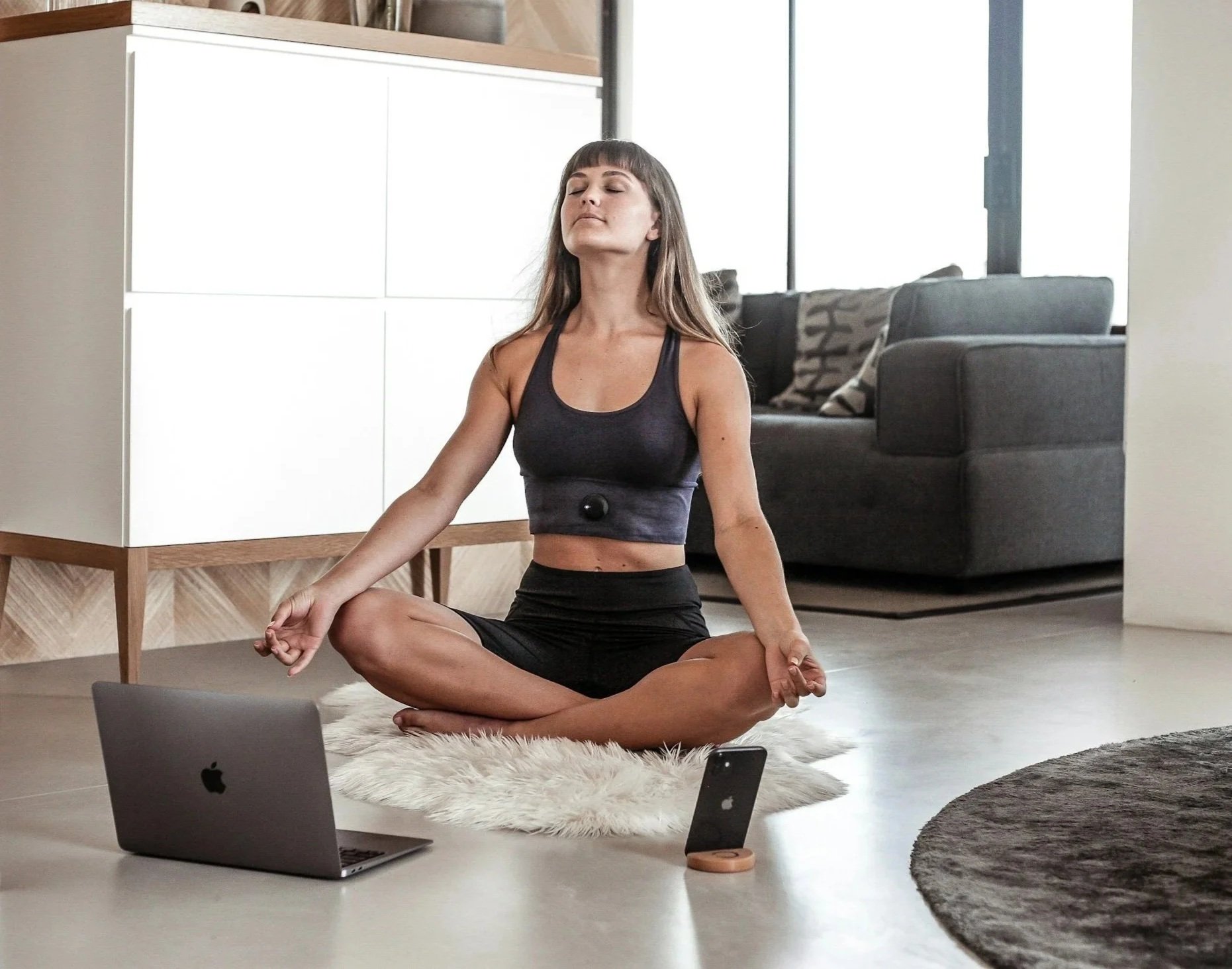
Why Core, Pelvic Floor and Breathing Must Be Rebuilt Together
The core is not just about abdominal strength. It is a coordinated system involving:
The diaphragm (breathing)
The deep abdominal muscles
The pelvic floor
The muscles of the spine and hips
Effective rehabilitation focuses on:
Restoring breathing mechanics that support pressure management
Re-establishing pelvic floor function, not just contraction strength
Reconnecting the deep core to movement and posture
Gradually progressing load in a way that supports tissue recovery
This integrated approach creates a stable, responsive foundation - allowing women to safely and confidently return to higher-level exercise such as strength training, running or sport.
Setting Yourself Up for Long-Term Success
When rehabilitation is rushed or skipped, women often compensate with bracing strategies or avoid certain movements altogether. Over time, this can limit performance, confidence and enjoyment of exercise. A well-structured postpartum program from a Women’s Health Exercise Physiologist supports:
Efficient movement patterns
Improved posture and load tolerance
Reduced injury risk
Sustainable strength gains
Rehabilitation isn’t about “bouncing back” - it’s about building the foundations that allow you to go forward.
Ready to Restore and Rebuild Your Foundations?
If you’re unsure where to start or you want a clear, structured approach to postpartum recovery, we have created a 6 week postpartum ebook. The program is evidence-based, designed by a mother of two and Women’s Health Exercise Physiologist with over 10 years supporting postpartum women. It focuses on:
Core connection and coordination
Pelvic floor-supportive breathing
Posture principles for daily life and exercise
Functional foundations to support strength training and higher-level movement
Whether you’re newly postpartum or returning to exercise months (or even years) after birth, this resource is designed to help you move with confidence and build strength that lasts. Check out the ebook below and start rebuilding your foundations today.
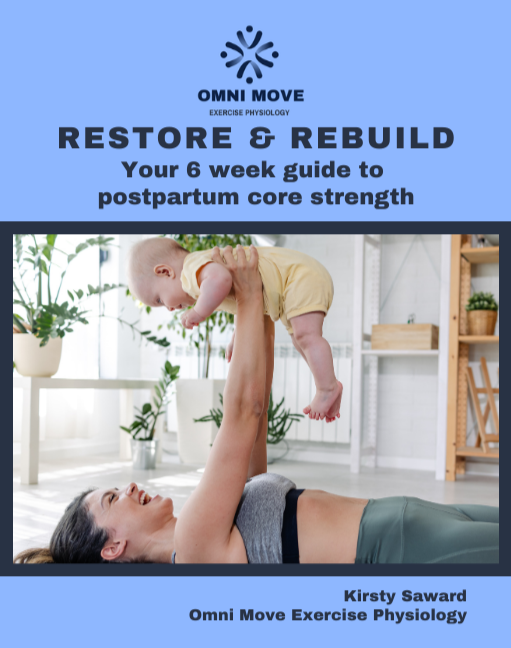
6 Week Guide To Postpartum Core Strength
Restore & Rebuild is designed to help mothers connect to their postpartum bodies while optimising the recovery of their pelvic floor, core and postural muscles. The program is appropriate from 6 weeks postpartum once you have received clearance from your medical team, pelvic health physiotherapist or osteopath. However it doesn’t matter if you gave birth 6 weeks, 6 months or 6 years ago - this program will provide education and exercises to build the foundations needed for a safe and successful return to exercise.