How to get back into exercise, and stick to it!
At this time of year, many people resolve to get fitter, healthier and happier. Unfortunately, most of us start with unrealistic expectations - trying to change everything at once - and end up feeling discouraged before they’ve even begun.
If you’ve taken a break from exercise over the holiday season, that’s okay! Enjoying family meals, rest and social occasions without guilt is part of a healthy lifestyle. What matters now is gently returning to the habits that support your physical and mental wellbeing long term. Motivation alone isn’t what sustains an active lifestyle - consistency, structure and realistic planning are far more effective.
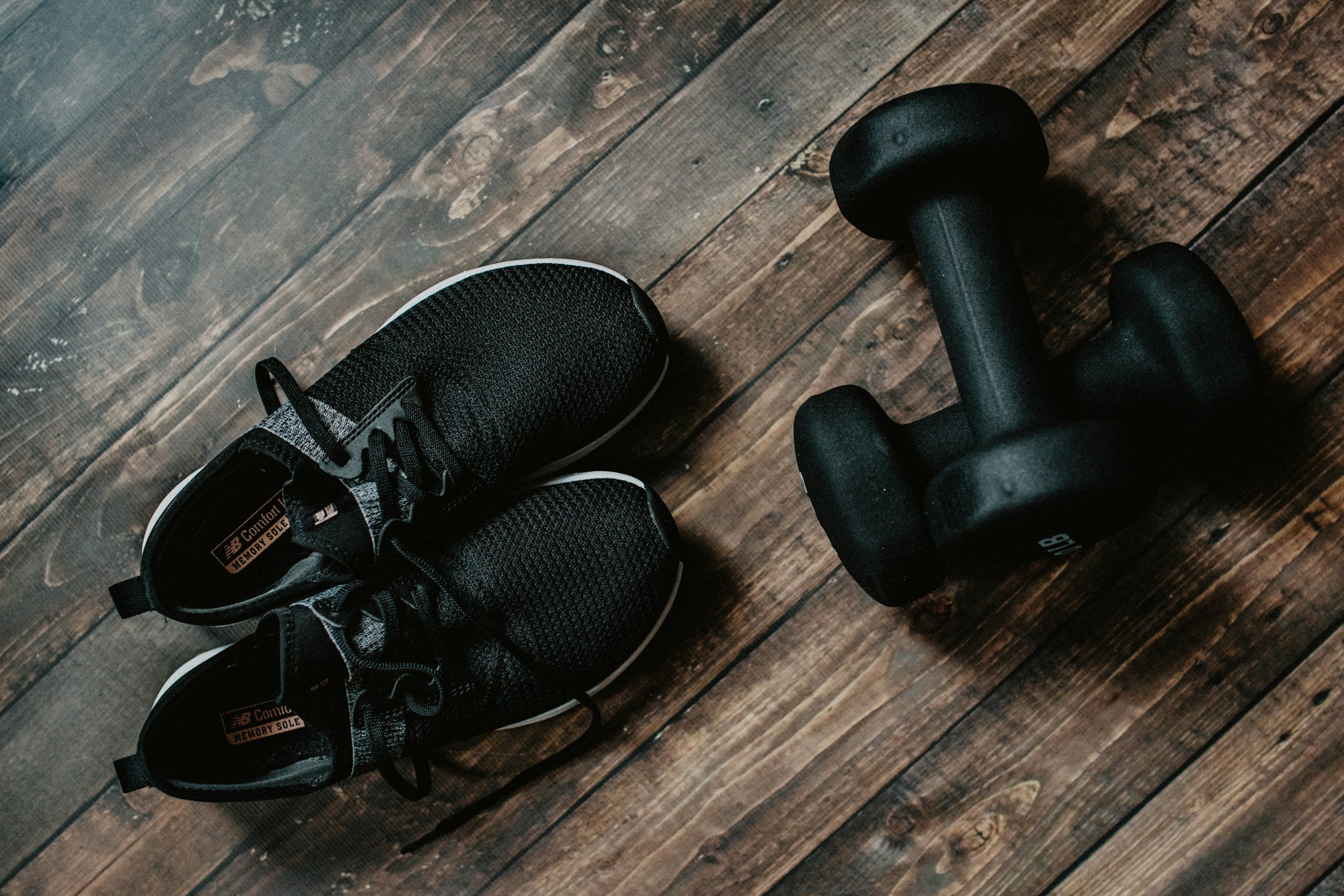
Start small and set realistic expectations
Shift your mindset from “I need to change everything” to “I’m ready to make small, sustainable changes.” Every bit of movement counts.
Start by increasing incidental physical activity - walk to the local shop instead of driving, take the stairs when appropriate or add short movement breaks throughout the day. If you’re joining a gym or returning to group classes, begin with lighter weights and fewer sessions per week. This creates early wins, builds confidence and allows your body time to adapt. Gradually increasing intensity, duration and frequency is far more effective than doing too much too soon.
Plan ahead like any other appointment
Exercise is more likely to happen when it’s scheduled. Look at your week ahead and block out time for movement, just as you would for work or family commitments. Where possible, aim to exercise earlier in the day. Morning movement often reduces decision fatigue and makes it less likely that tiredness or competing priorities will derail your plans later on in the day.
Track your exercise for better results
Tracking your exercise - whether through a fitness app, smartwatch or simple notebook - can significantly improve consistency and accountability. Over time, tracking helps identify patterns:
Are you more consistent with certain types of exercise?
Does a particular time of day work best for you?
For strength training, recording sets, reps and weights is especially important. Well designed gym programs should follow progressive overload, meaning the body is gradually challenged with increased resistance or complexity. Tracking your workouts ensures progressions are appropriate and effective.
Make exercise enjoyable
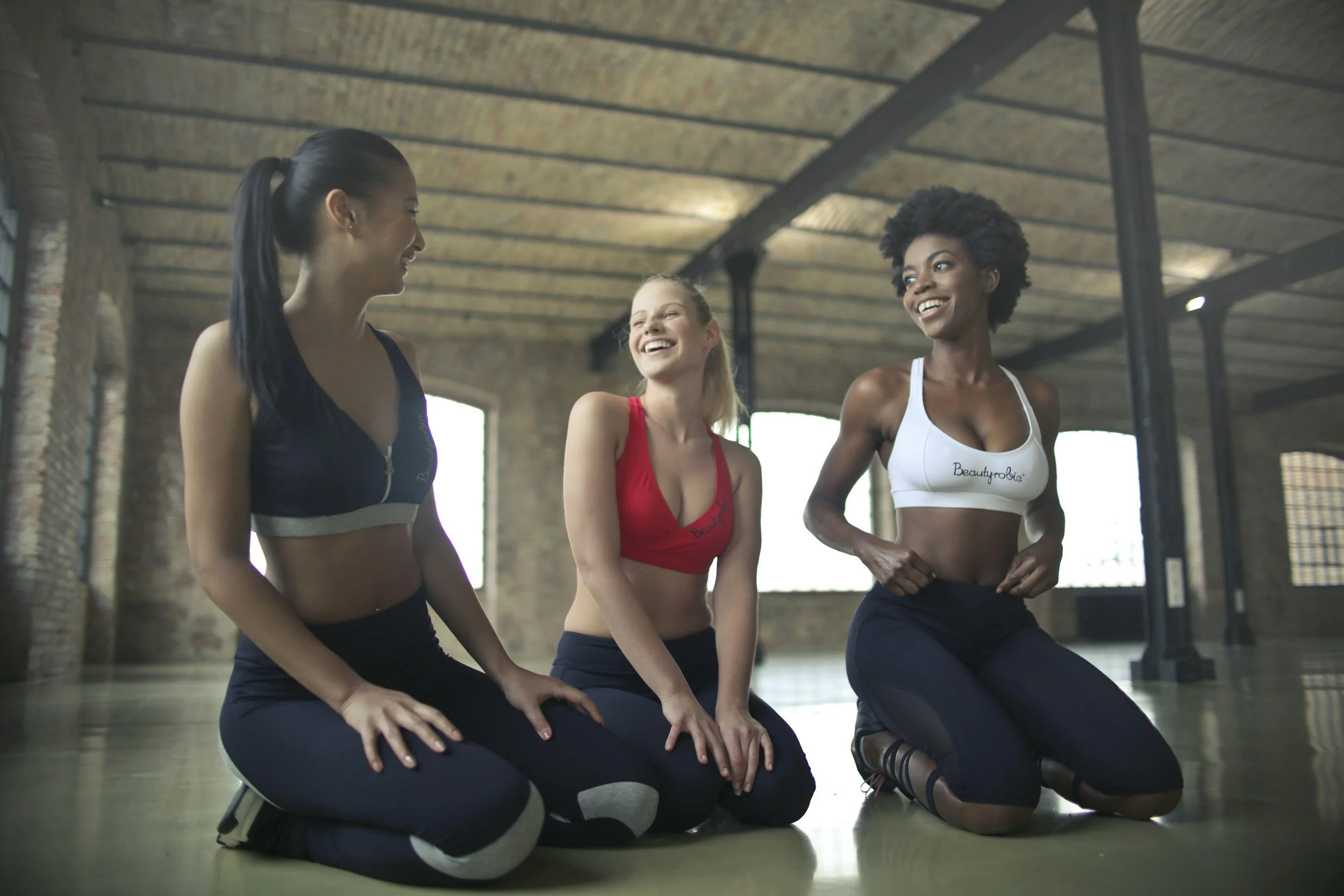
While some exercises may be important for managing injuries or health conditions, the most sustainable form of exercise is one you genuinely enjoy. You’re far more likely to stay consistent if movement leaves you feeling energised rather than exhausted. Exercising with a friend, attending group classes or choosing activities you look forward to can improve adherence and make exercise feel like a positive part of your routine rather than a chore.
Think long term
An active lifestyle isn’t a short-term fix, it’s a long-term investment in your health, mobility and quality of life. There’s no “perfect” time to start, but there is value in starting realistically and building gradually.
If you’d like personalised guidance, our online Exercise Physiologists can help you return to exercise safely, build sustainable habits and create a program that fits your lifestyle, goals and health needs. Reach out for a no obligation, free clarity call today!